Institution · Case study
End-to-End Digital Transformation
Turning fragmented systems, undocumented processes and reactive IT into integrated, governed and measurable digital services.
- Digital Transformation
- IT Governance
Case study · 02
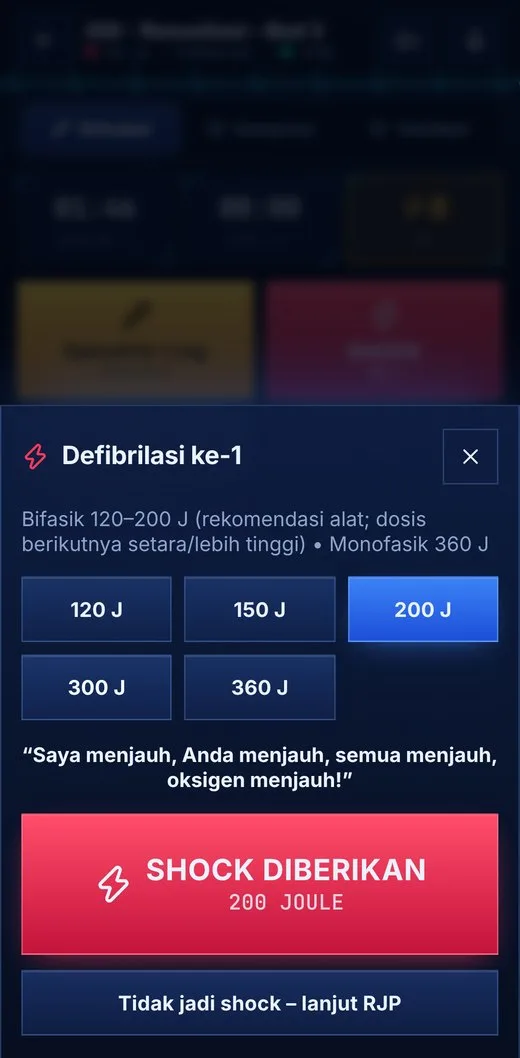
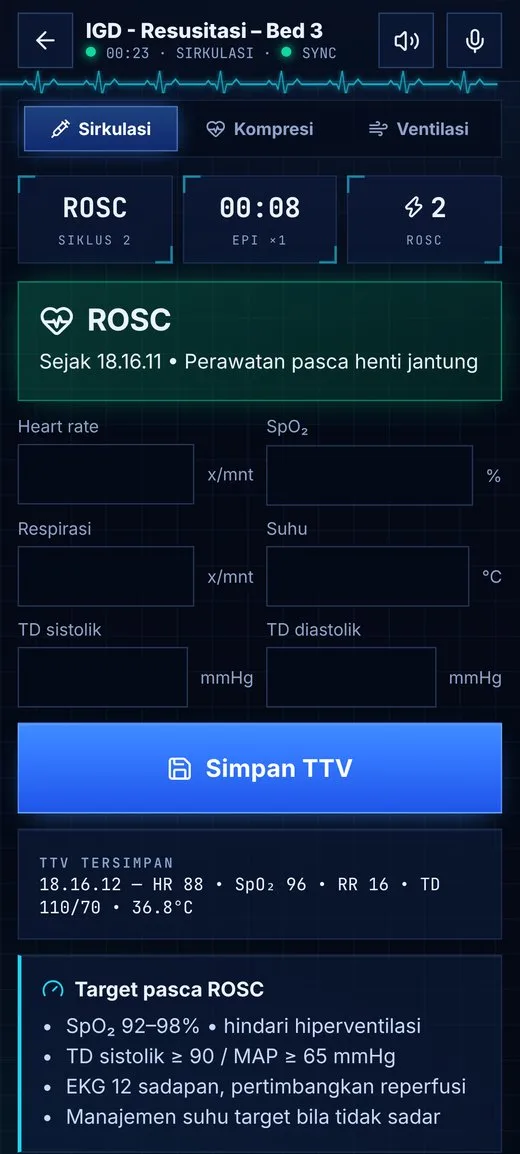
A Code Blue app for hospitals with spoken BLS and ACLS guidance, one-tap activation with location, full-screen team alarms and automatic resuscitation records.
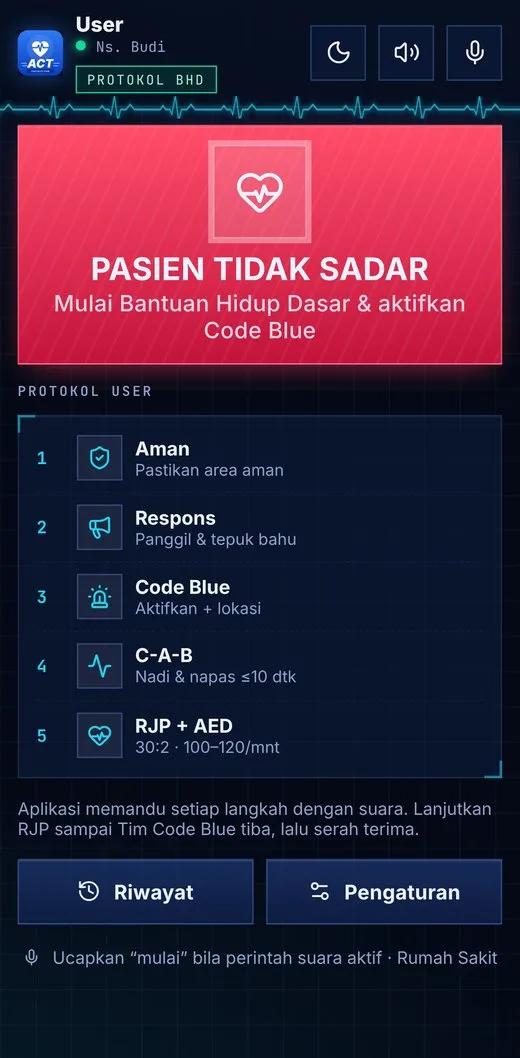
ACT (Automatic Code Blue Team) is our own product for hospitals: an app that helps staff respond to cardiac arrest faster and keeps a complete record of every event. We designed and built it end to end — voice-guided BLS and ACLS, Code Blue activation and alarms, automatic documentation and a hospital dashboard. ACT is a support tool; clinical decisions remain with the medical team and hospital SOPs.
In a cardiac arrest every second counts, yet in many hospitals the response still depends on phone calls, overhead pages and memory. The nurse who finds the patient has to call for help, start CPR and remember the protocol — all at once, under pressure.
Afterwards, resuscitation records are written from memory, so response times are hard to measure and hospitals have little data to evaluate and improve their Code Blue performance.
Basic Life Support and ACLS steps are read out loud in Bahasa Indonesia, so staff can keep their hands on the patient instead of on a screen.
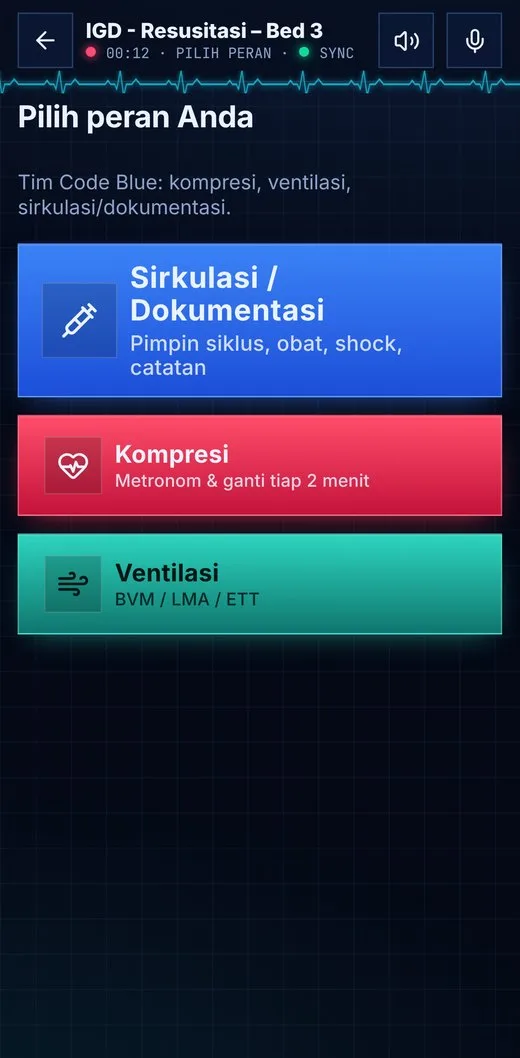
Nurses get BLS guidance and activation, the Code Blue team gets alarms and ACLS cycles, and the hospital PIC gets a dashboard — each sees only the screens for their role.
Runs on Android, iPhone, tablets and PCs without an app store install, and keeps recording when the connection drops.
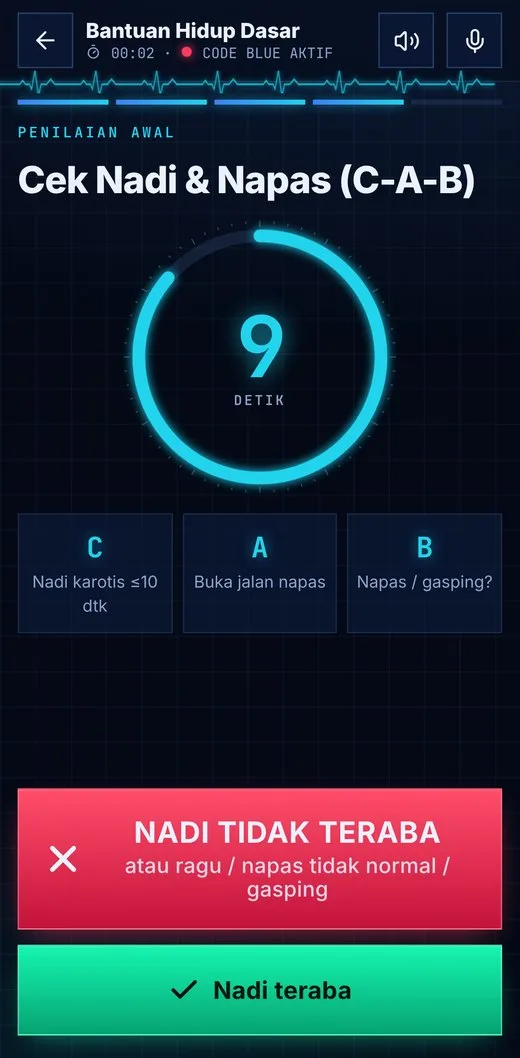
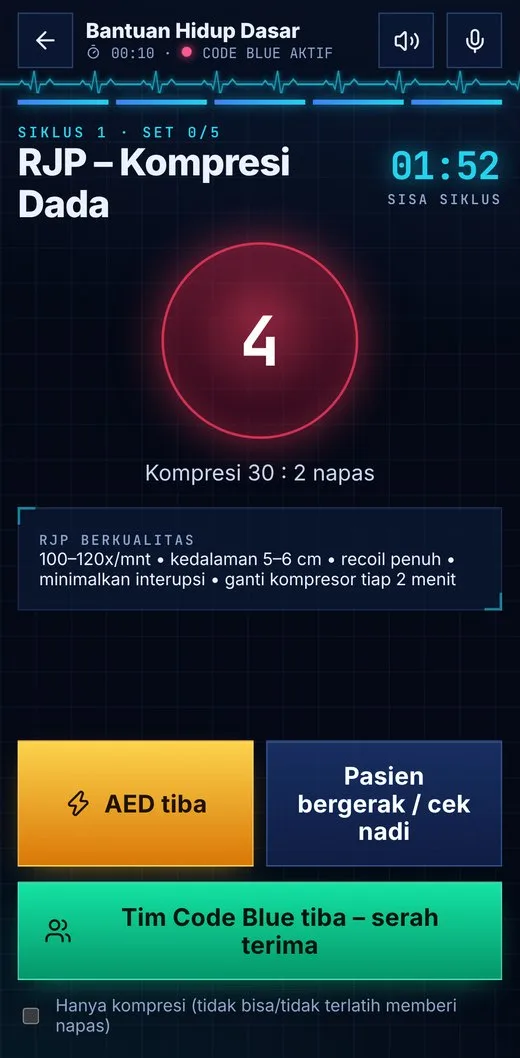
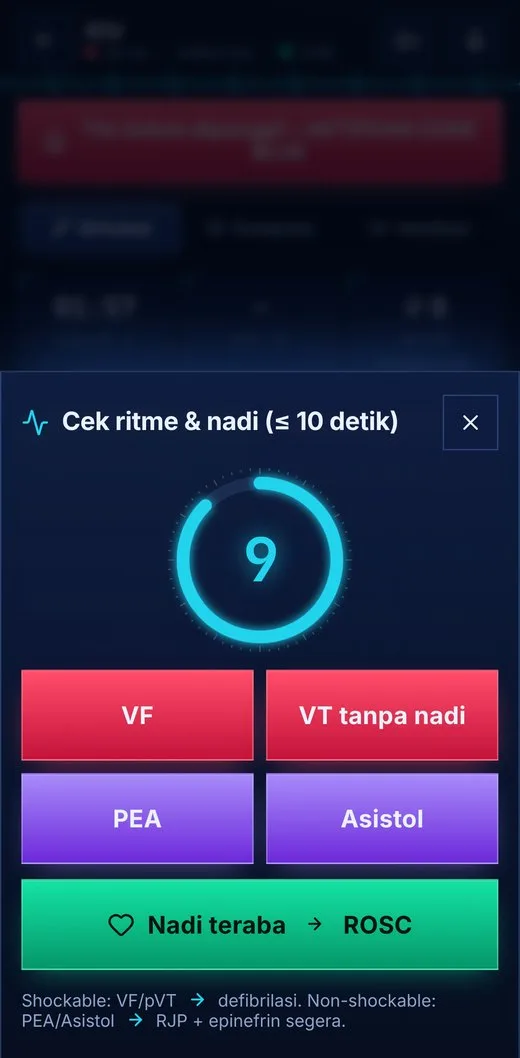
Step-by-step voice guidance for both protocols — from scene safety, pulse and breathing checks to CPR and AED at 30:2.
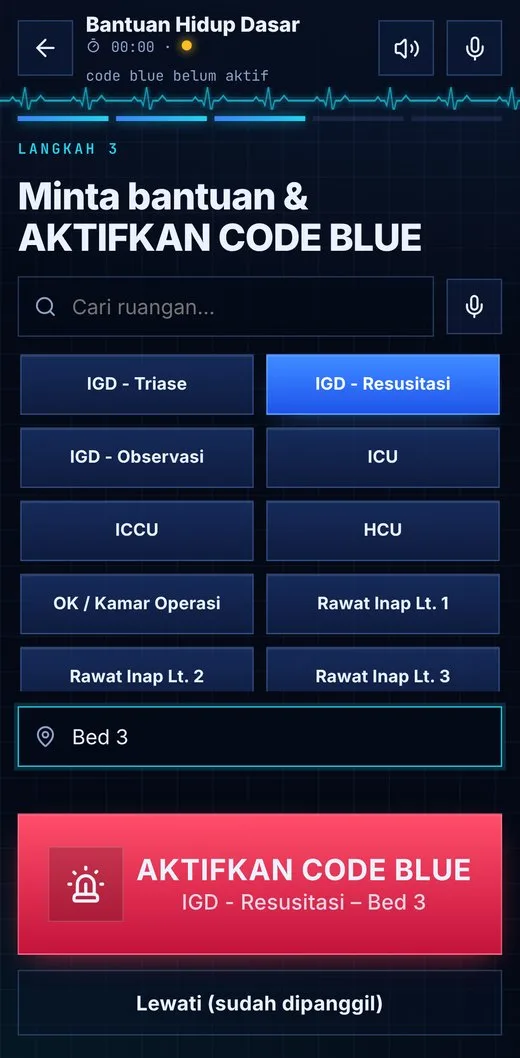
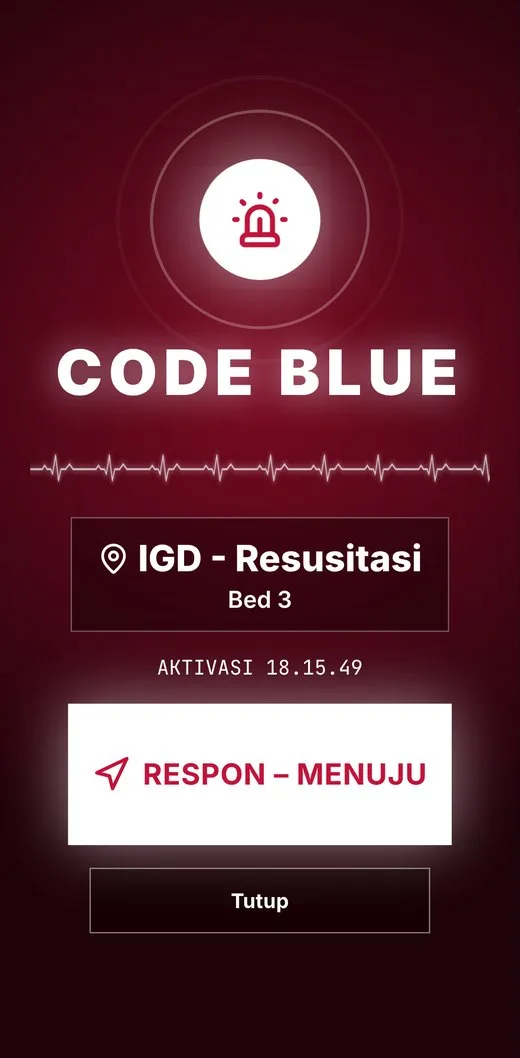
Sends an alert with the room and bed straight to the phones of the Code Blue team.
Vibration, siren and the location spoken out loud, so the team knows where to go without opening anything.
Cycle timer with reminders for rhythm and pulse checks and timing for shocks, epinephrine and amiodarone, following the AHA 2020 guidelines.
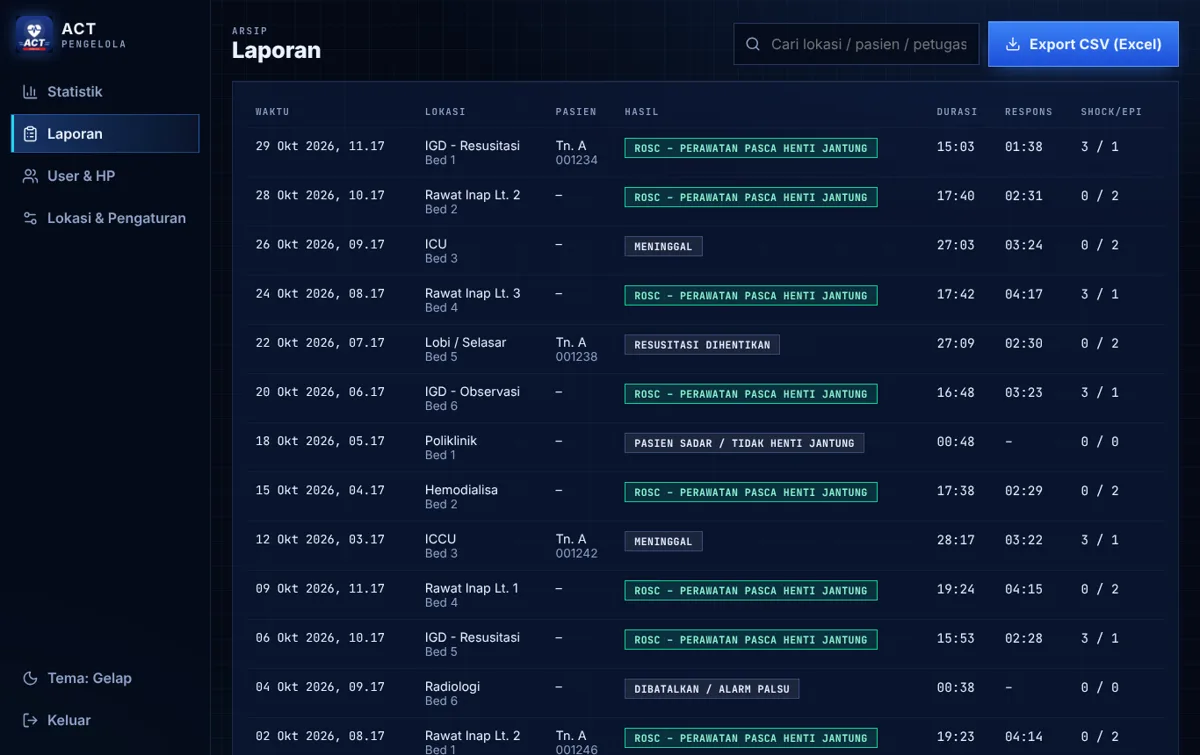
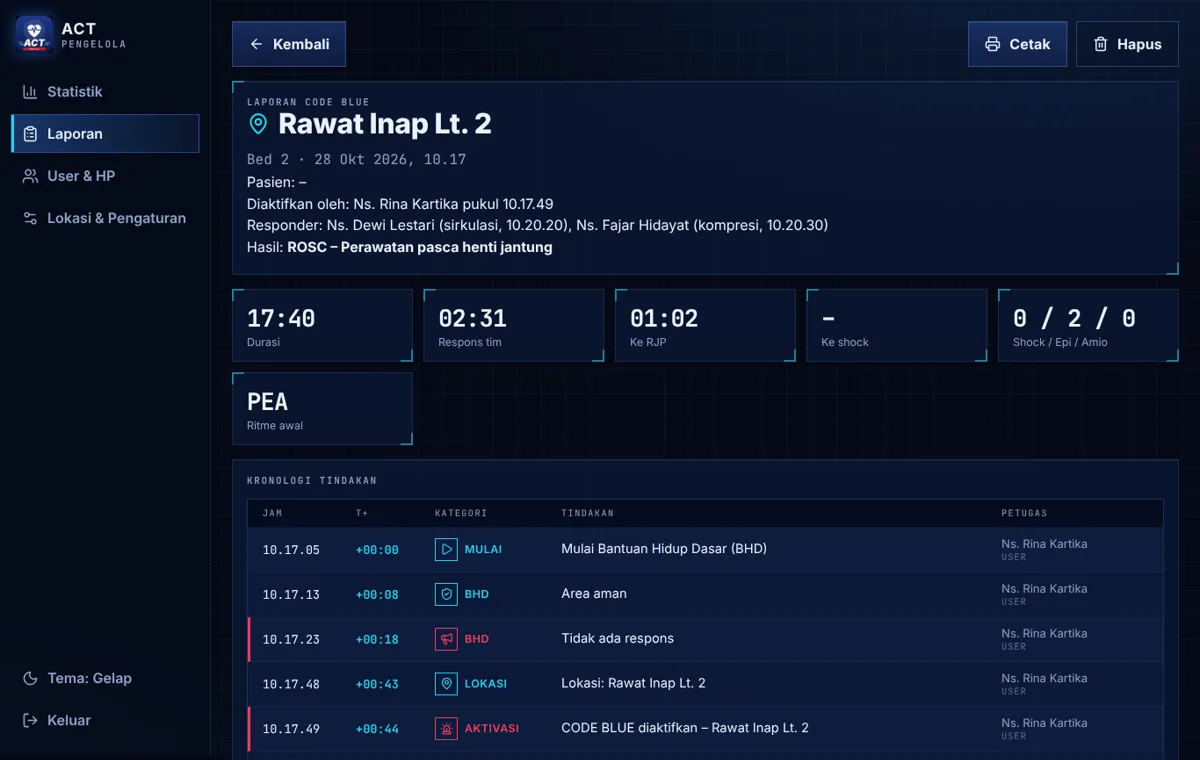
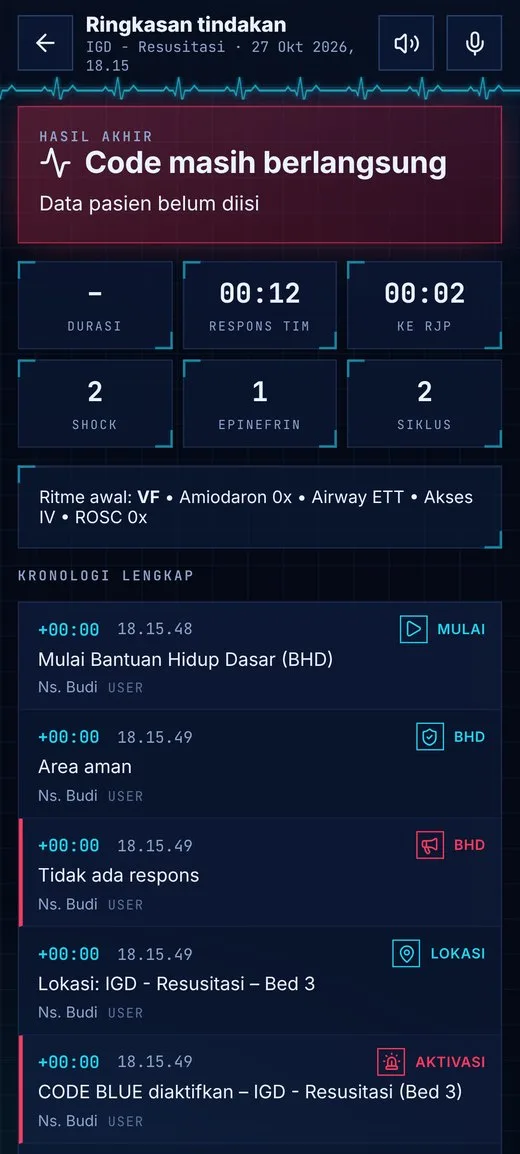
Every action is logged with time and staff name, with a summary when the code ends — stored on the phone and synced when back online.
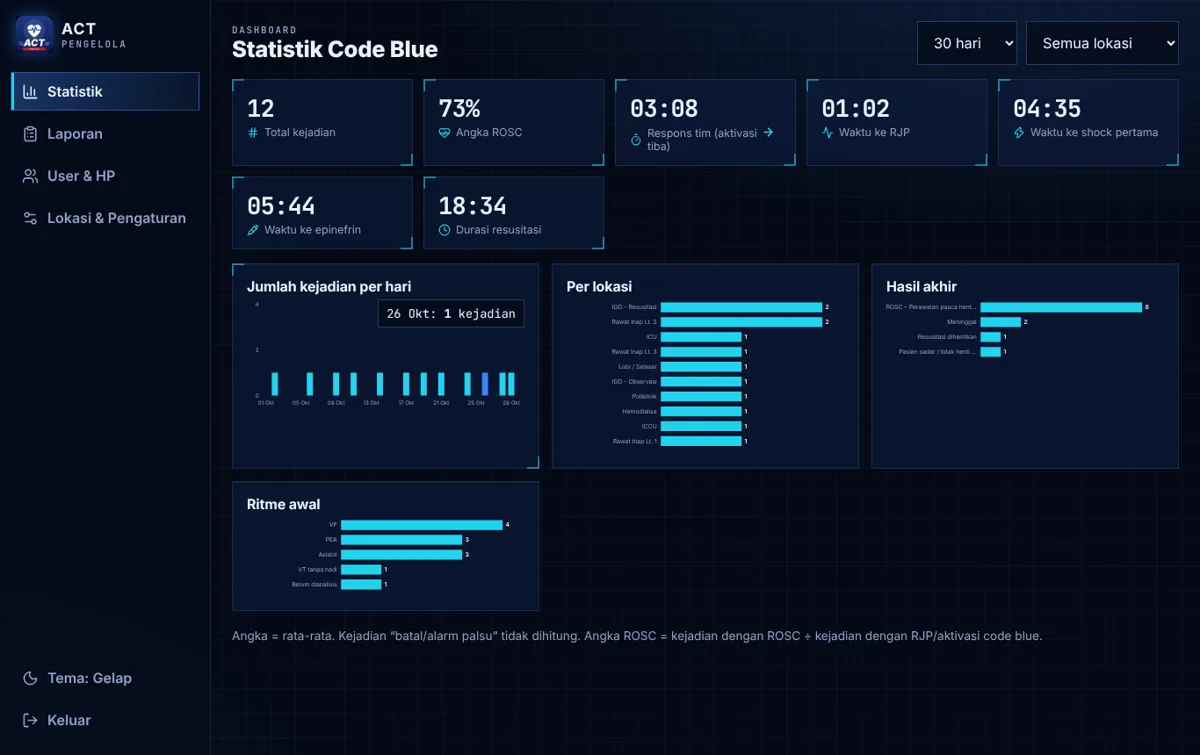
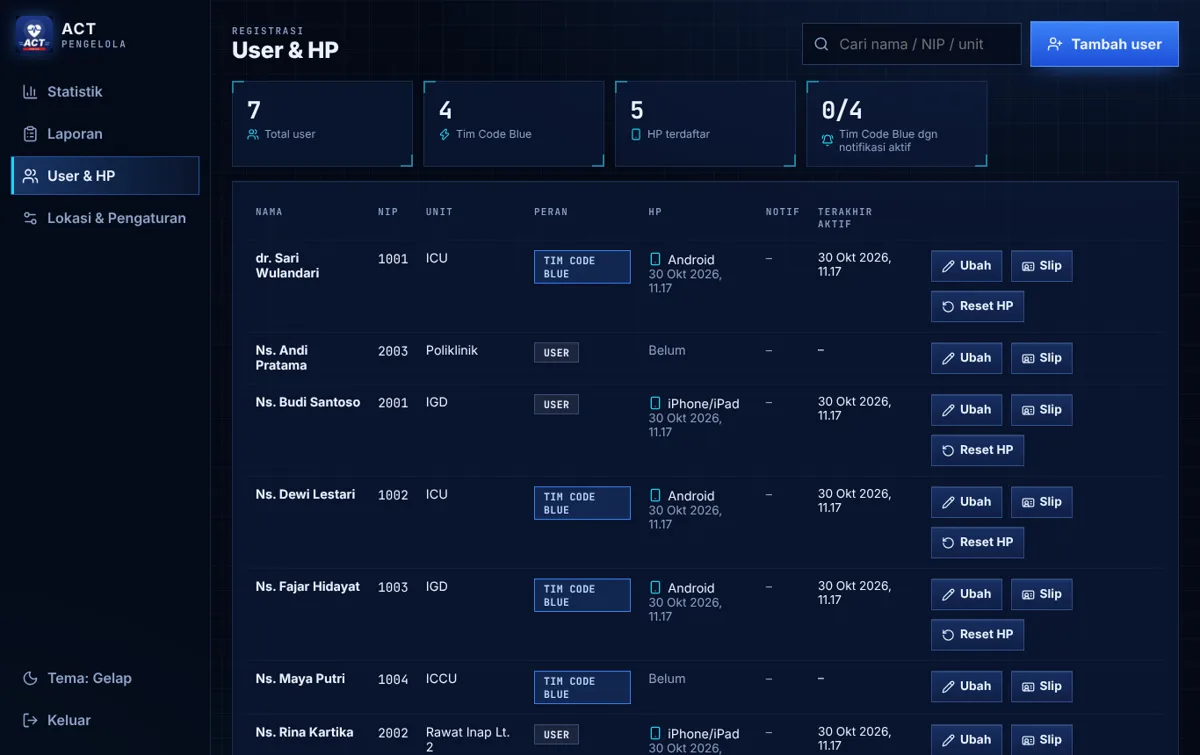
Response times per location and period, ROSC and outcome summaries, incidents per location, Excel reports, and user registration with PIN slips via WhatsApp or print.
Institution · Case study
Turning fragmented systems, undocumented processes and reactive IT into integrated, governed and measurable digital services.
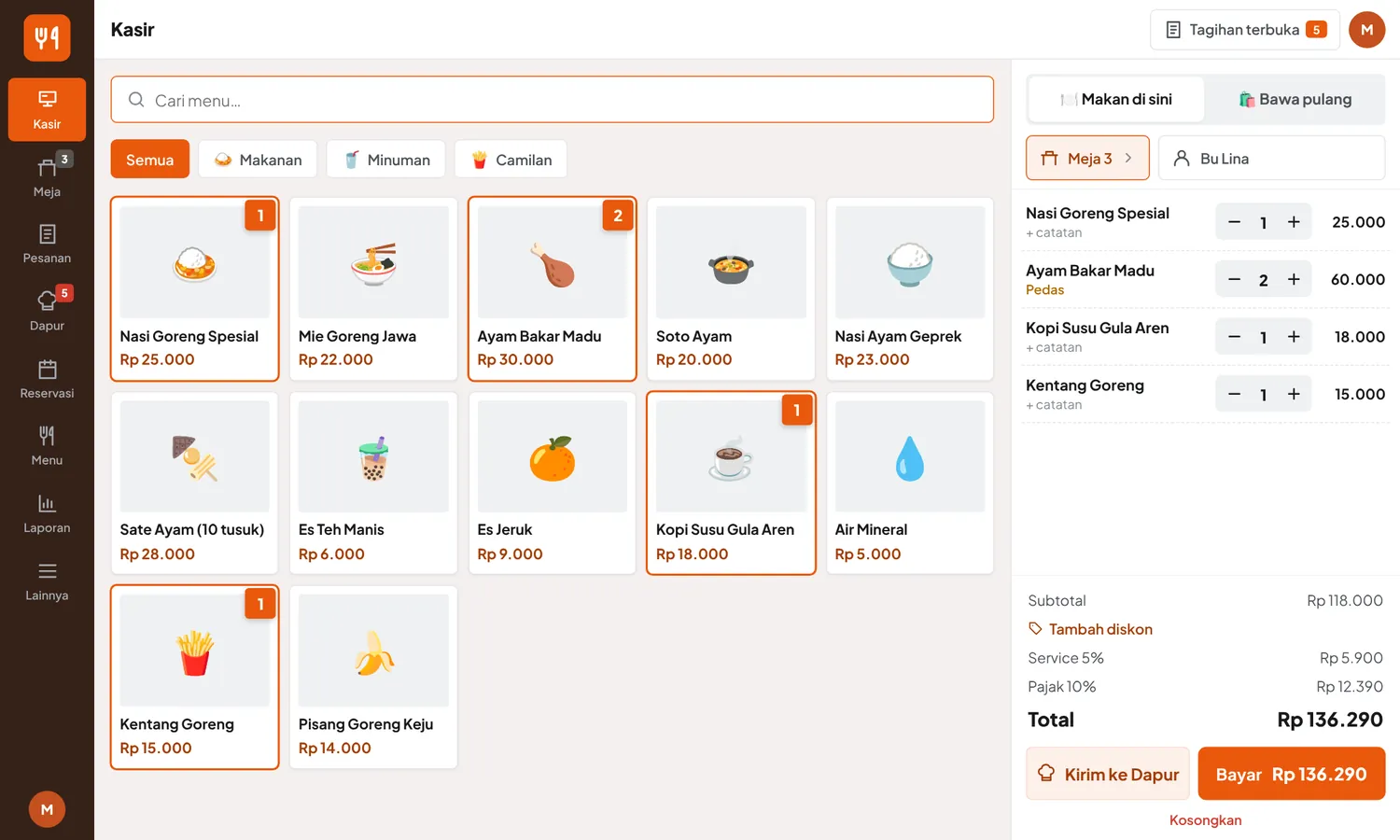
01 We POS · Case study
A restaurant and café POS that anyone can use — orders, kitchen display, tables, QR self-ordering and dynamic QRIS, running in the browser and working offline.
Contact Us
Your ideas, our expertise.